As Melbourne property prices continue to rise and land becomes increasingly valuable, many homeowners are looking for ways to maximise their existing property’s potential. One option that continues to gain attention is dual occupancy development.
For homeowners considering dual occupancy homes in Niddrie, building a second dwelling on the same block can offer greater flexibility, additional living space, or future investment potential. However, not every property is automatically suitable for a dual occupancy project.
Before starting the planning process, it’s important to understand the factors that can influence whether your block can accommodate a dual occupancy development and what considerations should be taken into account.
At Providence Homes, we work with homeowners across Melbourne to assess development opportunities and create tailored home designs that align with both council requirements and lifestyle goals.
What Is a Dual Occupancy Development?
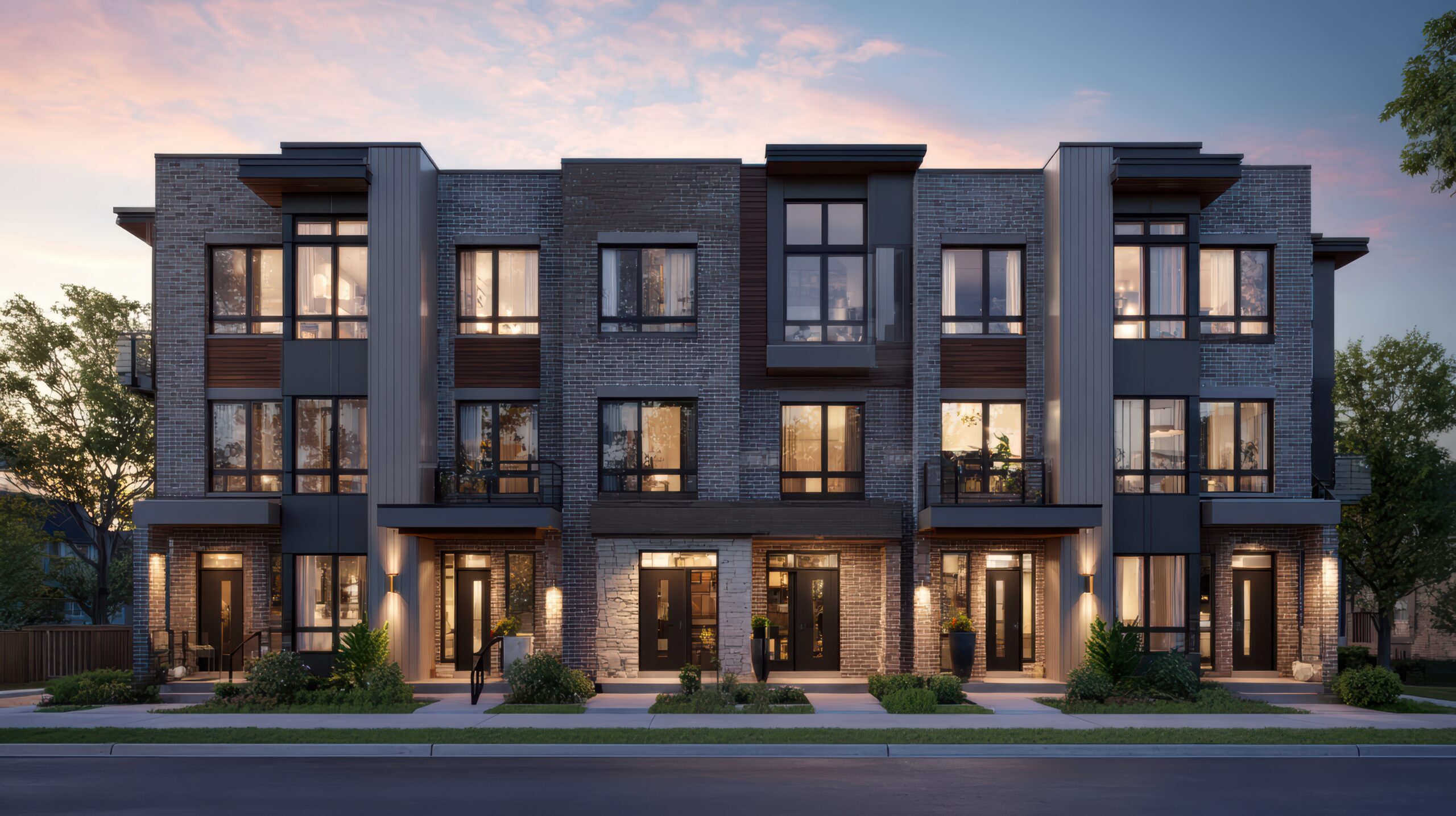
A dual occupancy development involves constructing two dwellings on a single parcel of land.
Depending on the site and project goals, this may involve:
- Retaining the existing home and building another dwelling behind it
- Demolishing the existing home and constructing two new dwellings
- Creating side-by-side townhouses
- Designing attached or detached dual occupancy homes
Dual occupancy projects have become increasingly popular in established suburbs such as Niddrie, where larger blocks and strong demand for housing create opportunities for redevelopment.
Why Dual Occupancy Homes in Niddrie Are Becoming More Popular
Niddrie continues to attract homeowners and investors due to its established residential character, convenient location, and proximity to schools, shopping centres, parks, and transport links.
Many property owners are exploring dual occupancy homes in Niddrie for reasons such as:
- Maximising land value
- Creating additional accommodation for family members
- Generating future rental income
- Downsizing while remaining in the same suburb
- Increasing property flexibility
- Making better use of larger residential blocks
For some homeowners, dual occupancy provides an opportunity to adapt their property to changing lifestyle or financial goals without relocating.
Is Your Block Suitable for Dual Occupancy?
The suitability of a block depends on a variety of factors, including land size, zoning, access requirements, and site conditions.
A professional site assessment is often the best way to determine whether a property may support a dual occupancy project.
Land Size
One of the first considerations is the overall size of the block.
While there is no universal minimum lot size that applies to every site, larger blocks generally provide greater design flexibility and may simplify compliance with planning requirements.
Block Width and Layout
The shape and width of the land can influence driveway access, building placement, private open space, and overall functionality.
Blocks with wider frontages often provide additional design opportunities for dual occupancy developments.
Corner Blocks
Corner allotments are frequently considered desirable for dual occupancy projects because they can provide separate street access for each dwelling.
This can improve design flexibility and enhance privacy for future occupants.
Site Access
Vehicle access is an important component of most dual occupancy developments.
The available space for driveways, parking, and circulation areas may influence the overall design and feasibility of the project.
Site Slope
Sloping land can present additional design and construction considerations.
While sloping blocks can still be suitable for dual occupancy, they may require more detailed planning and engineering solutions.
Understanding Local Planning Considerations
Before proceeding with a dual occupancy development, homeowners should understand that council planning requirements may affect what can be built on the site.
Factors commonly assessed include:
- Zoning requirements
- Planning overlays
- Building setbacks
- Private open space provisions
- Site coverage limits
- Neighbourhood character considerations
- Vehicle access requirements
Every property is unique, which is why early consultation and site investigation are important when evaluating dual occupancy opportunities.
Design Considerations for Dual Occupancy Homes
A successful dual occupancy project should focus on more than simply fitting two dwellings onto a block.
Good design can improve functionality, privacy, liveability, and long-term appeal.
Some important design considerations include:
Privacy Between Dwellings
Thoughtful window placement, landscaping, and outdoor space planning can help create separation between homes.
Natural Light
Maximising natural light remains important for both dwellings, particularly in established suburban environments.
Functional Floor Plans
Well-designed layouts help ensure each home feels spacious, practical, and comfortable.
Outdoor Living Areas
Private outdoor spaces continue to be highly valued by homeowners and future occupants.
Future Flexibility
Designing with long-term adaptability in mind can help support changing family or investment needs.
At Providence Homes, every dual occupancy project is approached with a focus on functionality, liveability, and site-specific design outcomes.
Common Benefits of Dual Occupancy Development
Many homeowners exploring dual occupancy homes in Niddrie are attracted by the flexibility these developments can provide.
Potential benefits may include:
- More efficient use of land
- Additional housing opportunities
- Flexible living arrangements
- Potential rental opportunities
- Multi-generational living solutions
- Long-term property value enhancement
The suitability and outcomes of any project will depend on individual circumstances, site characteristics, and planning requirements.
When Should You Seek Professional Advice?
If you’re considering a dual occupancy project, early planning can help identify opportunities and potential challenges before significant design work begins.
Professional advice may assist with:
- Site assessments
- Development feasibility
- Design concepts
- Planning requirements
- Budget considerations
- Construction planning
Understanding these factors early can help homeowners make informed decisions about whether a dual occupancy development aligns with their goals.
Final Thoughts
Dual occupancy Homes in Niddrie continues to attract homeowners looking to maximise the potential of their land while creating flexible living and development opportunities.
However, every site is different, and determining whether a block is suitable requires careful consideration of land characteristics, planning requirements, access, and design possibilities.
Working with an experienced design and construction team can help homeowners better understand the potential of their property and develop solutions tailored to their specific goals.
At Providence Homes, we help homeowners across Melbourne explore custom home and dual occupancy opportunities that balance functionality, lifestyle needs, and long-term value.
Frequently Asked Questions
What is a dual occupancy development?
A dual occupancy development involves building two homes on a single block, either by retaining the existing house or constructing two new dwellings.
Is every block suitable for dual occupancy homes in Niddrie?
No. Land size, zoning, access, site conditions, and council regulations can all affect suitability.
Are corner blocks better for dual-occupancy developments?
Corner blocks often offer greater design flexibility by allowing separate access for each dwelling.
Can a sloping block be used for dual occupancy?
Yes. However, sloping sites may require additional design and engineering considerations.
How do I know if my block is suitable for dual occupancy?
A professional site assessment can help determine your property’s suitability and identify any planning requirements.